
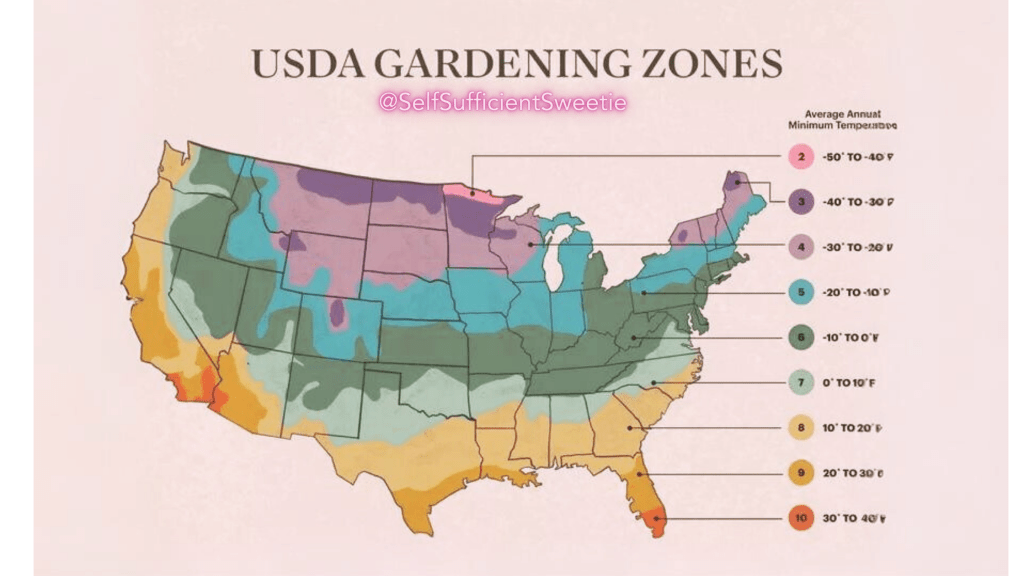
Gardening is a theraputic activity that can be enjoyed by people of all abilities. However, individuals with disabilities may face unique challenges when it comes to gardening, such as limited mobility, strength, or dexterity. Fortunately, there are many adaptive tools and techniques available to make gardening more accessible and enjoyable for everyone. In this guide, we’ll explore some tips and tools for gardening with disabilities, empowering individuals to cultivate beautiful and productive gardens regardless of physical limitations.
- Choose Accessible Garden Design:
- Design your garden with accessibility in mind by creating wide pathways, raised beds, and elevated containers that are wheelchair-friendly and easy to reach. Ensure that garden structures and features are accessible from all angles and heights to accommodate varying levels of mobility.
- Use Ergonomic Tools:
- Invest in ergonomic gardening tools with padded handles, extended reach, and lightweight design to reduce strain and fatigue on joints and muscles. Look for tools with adjustable handles or grips that can be customized to fit individual preferences and needs. These ReliefGrip gloves are my favorite!
- Adapt Existing Tools:
- Adapt existing gardening tools to make them more accessible for individuals with disabilities. Attach foam tubing or grip tape to tool handles for improved grip and comfort, or add extensions or handles to increase reach and leverage.
- Utilize Assistive Devices:
- Explore a range of assistive devices and technologies designed to aid individuals with disabilities in gardening tasks.
- Wheelbarrows with assistive handles, long-handled reachers, and
- kneeling benches with built-in support are just a few examples of assistive devices that can facilitate gardening activities.
- Electric grass sweepers speed along clean up chores.
- Even something as simple as a silicone hand cuff makes holding objects easier.
- Explore a range of assistive devices and technologies designed to aid individuals with disabilities in gardening tasks.
- Opt for Low-Maintenance Plants:
- Choose low-maintenance plants that require minimal care and attention, such as native species, drought-tolerant varieties, and perennial crops. Select plants with sturdy stems and foliage that are easy to handle and maintain, and avoid thorny or spiky varieties that may pose safety hazards.
- Create Accessible Workspaces:
- Designate accessible workspaces within the garden equipped with sturdy benches or tables at wheelchair height for potting, transplanting, and other tasks. Ensure that workspaces are well-lit and organized with essential tools and supplies within easy reach.
- Practice Container Gardening:
- Consider container gardening as a convenient and accessible option for individuals with limited mobility or space constraints. Plant vegetables, herbs, and flowers in containers or raised beds placed at waist height for easy access and maintenance.
- Enlist Support and Assistance:
- Don’t hesitate to enlist support and assistance from family members, friends, or community volunteers to help with gardening tasks that may be challenging due to disabilities. Collaborate with others to share the workload and make gardening a social and inclusive activity.
Gardening with disabilities is not only possible but can also be incredibly fulfilling and empowering with the right tools, techniques, and support systems in place. By embracing adaptive gardening practices and fostering a spirit of inclusivity and accessibility, individuals of all abilities can enjoy the therapeutic benefits of gardening and cultivate vibrant and thriving gardens.
Stay tuned for more gardening guides and tips from Self-Sufficient Sweetie!

 Self Sufficient Sweetie